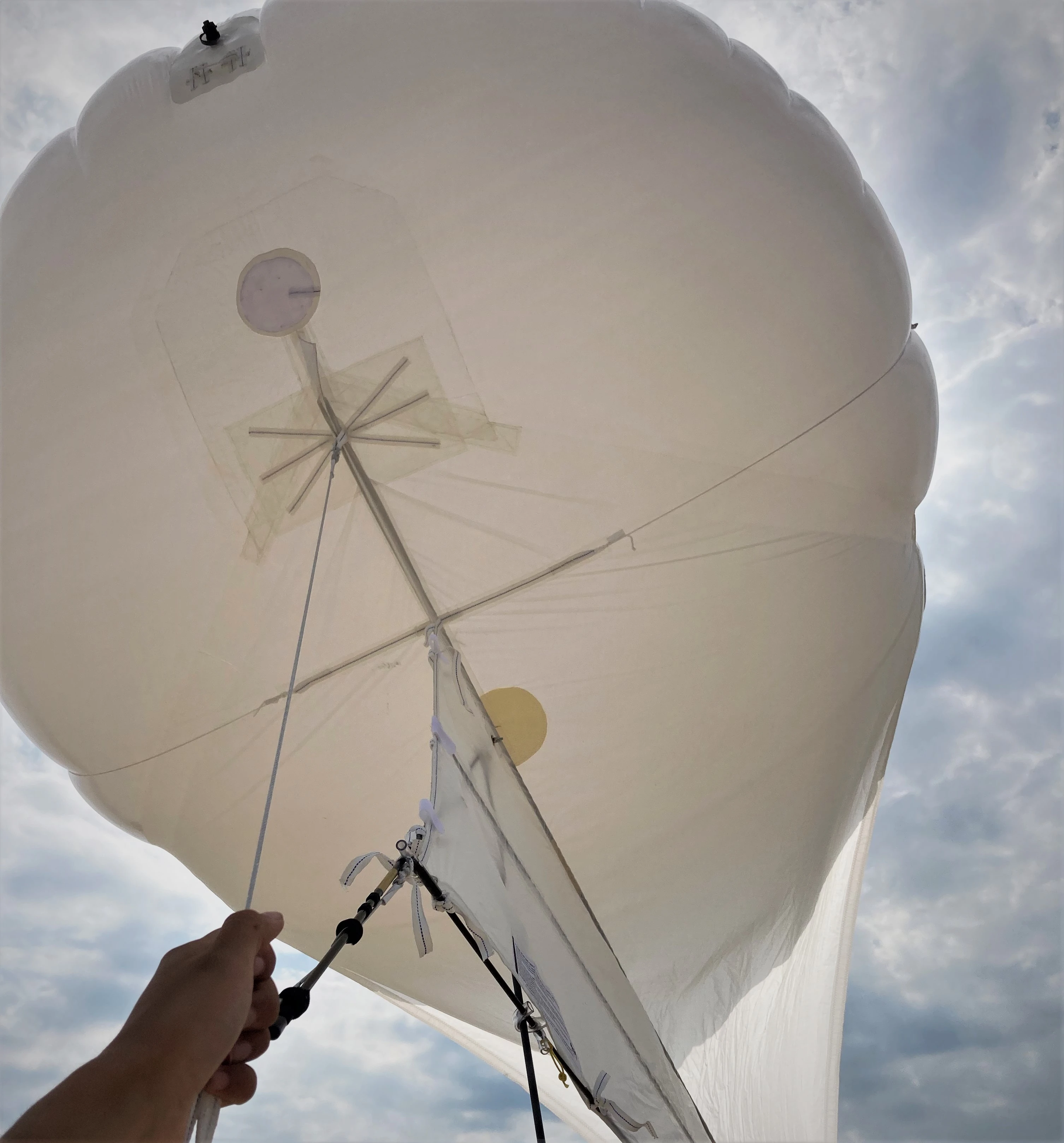
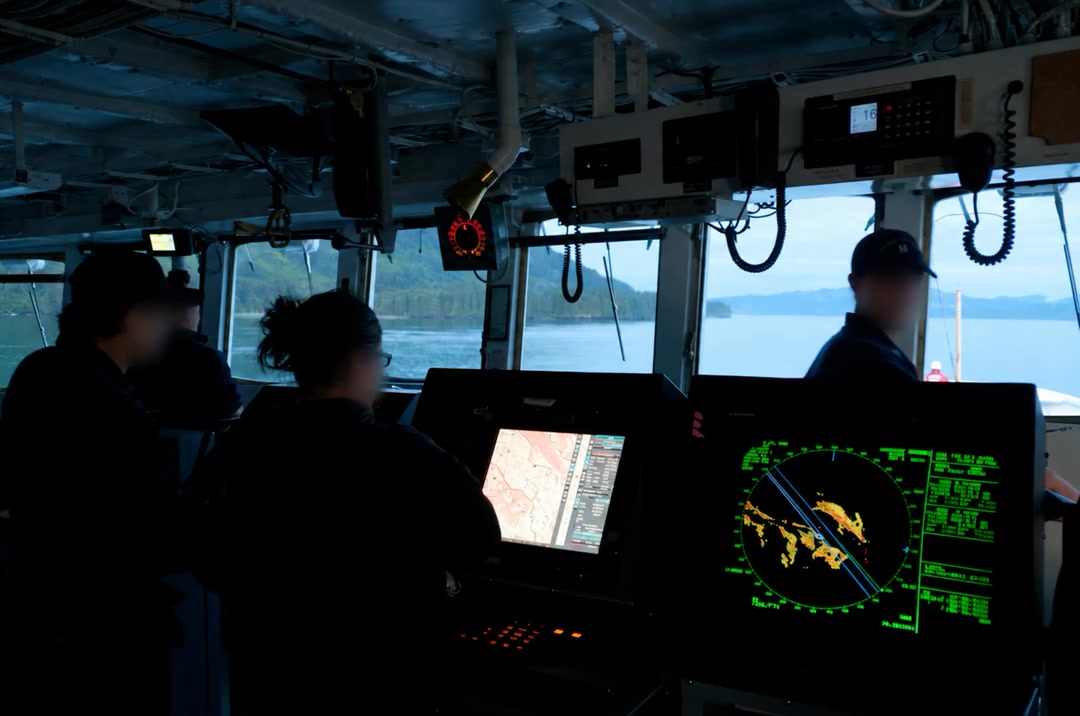
ASSESS
Understand
coverage.
Identify coverage gaps, compare configurations and prepare the trials needed to make a decision.
Ptolémée · Studies & measurements
Assess your operating environment Let’s discuss your mission
MARITIME COMMUNICATIONS ENGINEERING
OndOcéan studies, integrates and tests your communications around your mission. Connecting the operating environment, equipment and teams.
YOUR NEED, OUR STARTING POINT
An area to cover, services to connect or teams to equip. Three starting points for building a coherent configuration.
ASSESS
Identify coverage gaps, compare configurations and prepare the trials needed to make a decision.
Ptolémée · Studies & measurements
Assess your operating environmentCONNECT
Combine available connections, define priorities and test the network when a link deteriorates.
Resilient connectivity
Build your connectivityEQUIP
Choose earpieces, interfaces and headsets based on the activity, noise conditions and devices in use.
Bulot · Poulpe · Bernique
Equip your teamsTHE ONDOCÉAN DIFFERENCE
We turn operational requirements into measurable criteria. Studies inform choices, trials test them in the field, and results guide the architecture to deploy.
YOUR OPERATING ENVIRONMENT
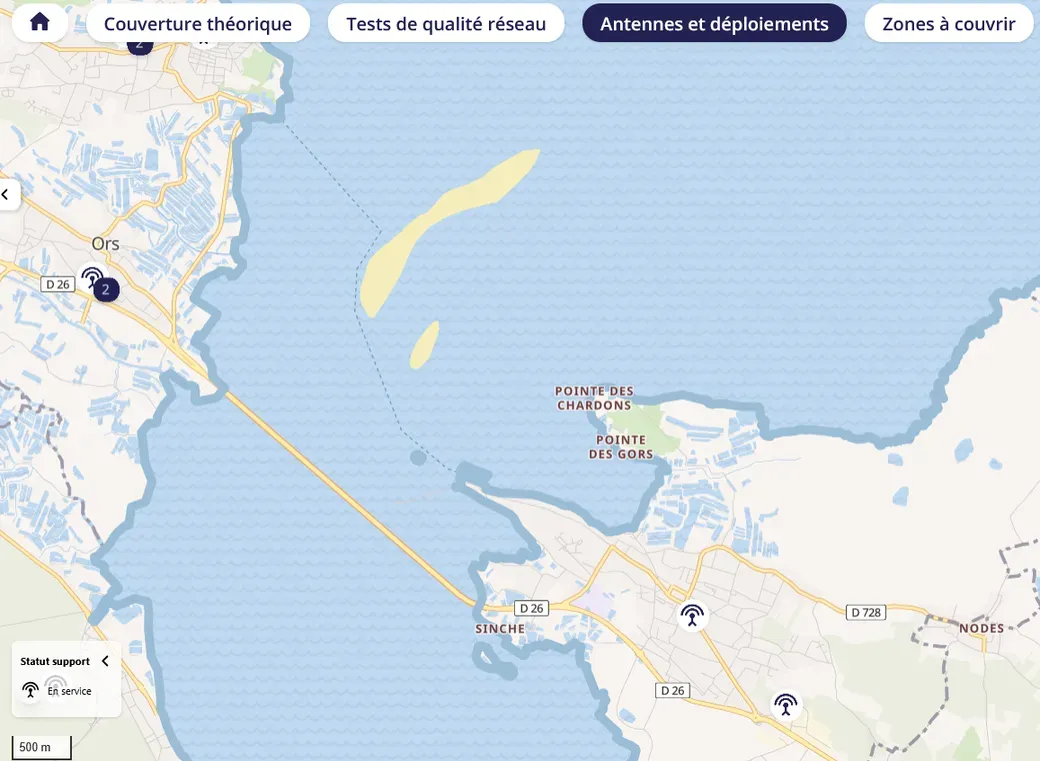
Buildings, moored vessels and movement can affect usable coverage. Studies and measurements identify gaps, then guide network and interface design around actual uses.
View scope and deliverablesAUDIO & RADIOS
Noise, movements and wearing conditions are part of the requirement. Earpieces, interfaces and headsets are selected according to the device in use and the exchanges that need to be maintained.
Explore accessories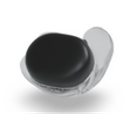
Earpieces
Audio close to the operator, according to the device in use and wearing conditions.
Explore Bulot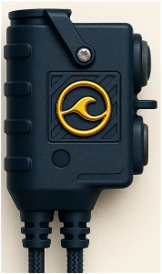
Audio & radio interfaces
Connect the communication equipment used by your teams, according to its interfaces and uses.
Explore Poulpe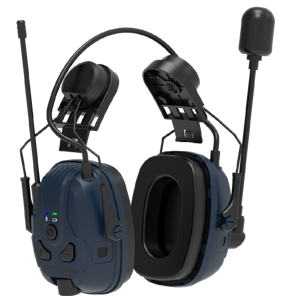
Communication headsets
A headset configuration selected according to the acoustic environment, wearing constraints and radio.
Explore BerniqueCOMPLETE YOUR ARCHITECTURE
A temporary elevated relay, access to voice communication or a shared operational picture can complement your configuration.
GETTING STARTED
Yes. A preliminary study or audit is a project in its own right. Its scope, deliverables and expected decisions are defined before work begins.
The study examines your links, local network, applications and installation constraints. The configuration and network equipment are selected on that basis, then tested.
Bulot, Poulpe and Bernique address listening, interfacing and headset-wearing needs. Compatibility is checked against the device or radio, the interfaces used and your operating conditions.
This is an architecture requirement that must be defined explicitly. We distinguish local network exchanges from services that depend on an external link, then plan the corresponding loss-of-access trials.
By agreeing on degradation scenarios and acceptance criteria: service availability, losses, latency, recovery time or intelligibility, according to the need. Results apply to the conditions actually tested.
LET’S TAKE STOCK
Your operating environment, the exchanges to maintain and the equipment already in place: let’s start with these three elements.
Discuss your requirements